Healthy through the season: How EC Red Bull Salzburg relies on clean indoor air

Case study EC Red Bull Salzburg
Locker room, weight room, team bus
Wherever a team spends many hours together, flu viruses have an easy time. How a professional club is taking action – and what clubs, gyms and companies can learn from it.
In professional sports, it is often not tactics that decide a season, but who stays healthy. When one player in the locker room starts coughing, the rest of the team is quickly affected too. And just as the ice hockey season enters its decisive phase, cold and flu viruses are at their peak.
That is why EC Red Bull Salzburg relies not only on hygiene rules, but also on the air its players breathe. OZONOS® air purifiers are in use in the locker rooms, weight room, offices, VIP area and team bus.
Flu season: Why autumn and winter are peak season for viruses
In Austria, the flu wave usually begins between late November and January and can last well into April. The 2022/23 wave, for example, lasted around 18 weeks, from late November to early April. On top of that, cold viruses, RSV and COVID-19 often circulate at the same time.
There are several reasons why viruses have such an easy time in winter:
- We spend more time indoors: Training, work and leisure take place in enclosed spaces, often with many people at once.
- We ventilate less: When temperatures drop below freezing, windows stay closed. The stale air remains in the room.
- Heated air is dry: Dry air strains the mucous membranes, which are actually our first line of defense.
- Viruses linger in the air: Speaking, breathing and coughing produce tiny aerosols that can remain in the room air for a long time. A study in Nature Communications estimates that around half of all influenza A transmissions occur via aerosols (Cowling et al., 2013).
In other words: washing your hands and keeping your distance are important, but they only address part of the problem. The air in the room plays a role too.
Team sports: When one infection takes out half the team
Despite their high level of fitness, athletes are not immune to infections. Quite the opposite: a four-year study of professional athletes showed that upper respiratory tract infections occurred 2.6 times as often in winter as in summer. During intensive training phases, the risk was 50 to 70% higher (Hellard et al., 2015, Saarland University).
In team sports, one crucial factor comes into play: proximity. An ice hockey team spends many hours together in tight spaces every day.
- Locker room: many people, little fresh air, heavy breathing after training and games
- Weight room: physical exertion with deep, rapid breathing
- Team bus: hours-long away trips in an enclosed space where ventilation is hardly possible
- Meeting room and offices: video analysis, tactics, staff and management in close quarters
This is how a single sniffle quickly turns into a chain reaction. Losing one player is annoying. Losing half a line can cost games – and in the playoffs, an entire season.

Not just in professional sports: Wherever many people meet indoors
What applies to the locker room applies wherever many people share the air in one room:
- Gyms and clubhouses: Changing rooms, class studios and training areas are under similar strain to a professional locker room – just with constantly changing people.
- Arenas, boxes and VIP areas: On home game days, partners, sponsors and guests come together, often for hours in enclosed spaces.
- Offices and meeting rooms: A wave of colds can quickly bring entire departments to a standstill.
- Hotels and restaurants: Guests and staff come and go constantly, lobbies and restaurants are busy.
- Medical practices and waiting rooms: Healthy and sick people come into direct contact here.
In all of these rooms, the same rule applies: the more people, the longer they stay and the less ventilation there is, the more important indoor air quality becomes.
What helps against viruses in the air – and where the limits are
No single measure protects against infection. What works is a combination. An honest look at the options:
| Measure | What it does | Where it reaches its limits |
|---|---|---|
| Handwashing, hygiene | reduces transmission via hands and surfaces | does not capture aerosols in the air |
| Airing out | replaces stale air with fresh air | hardly feasible in winter, on the bus and in windowless rooms |
| Vaccination | lowers the risk of severe illness | does not work equally against all pathogens |
| Air purifiers with filters | trap particles in the filter | filters need to be replaced regularly |
| OZONOS | reduces airborne viruses directly in the room air, without filters | does not replace hygiene, ventilation and vaccination, but complements them |
What makes OZONOS® different
OZONOS is not a conventional air purifier with a filter. The devices combine patented UV-C technology with active oxygen, inspired by nature’s own purification processes. This results in advantages that matter especially in heavily used rooms:
- Up to 98.6% fewer airborne viruses: According to the test report, OZONOS reduces viruses in the room air by up to 98.6%.
- No filters at all: There are no filters to replace and no filters in which germs can accumulate. This saves maintenance and follow-up costs.
- Made for continuous operation: The devices work quietly in the background. The AC II Smart can be controlled via app and programmed with operating times, for example for training or office hours.
- Tested safety: According to the manufacturer, OZONOS is the first ozone air purifier with TÜV certification (AC I and AC II).
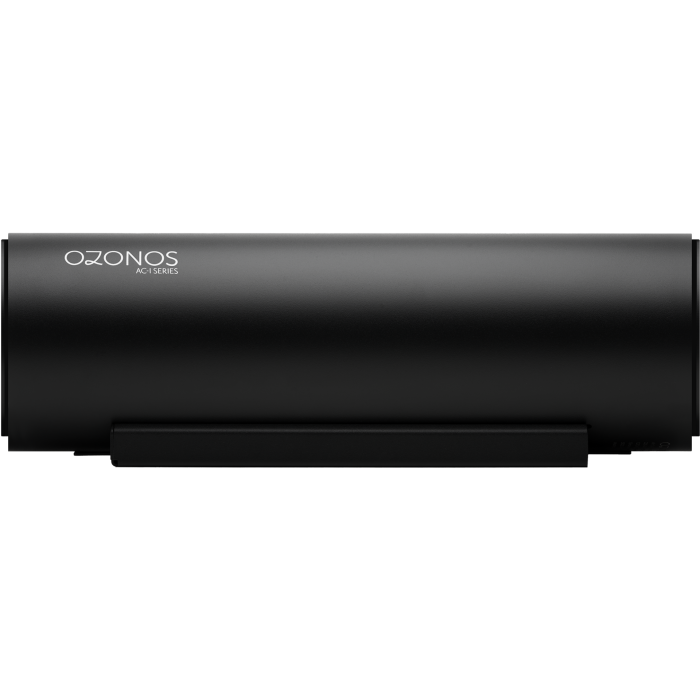
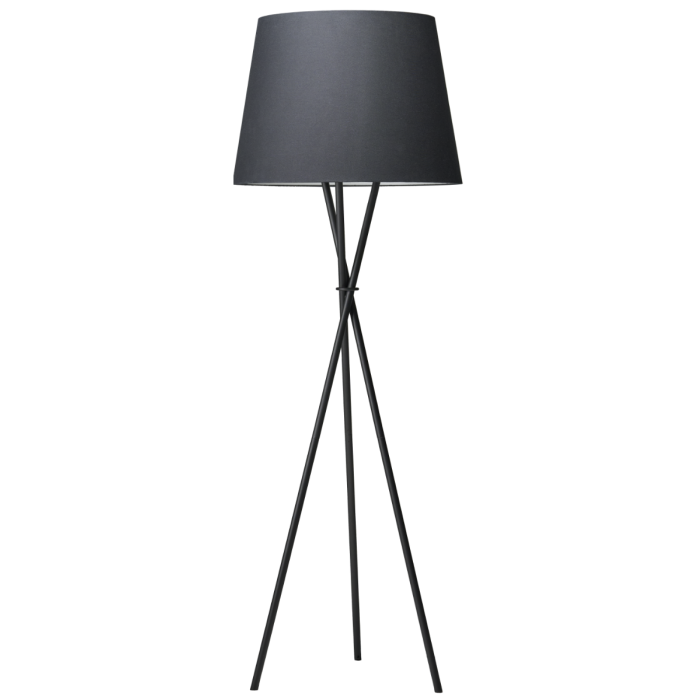
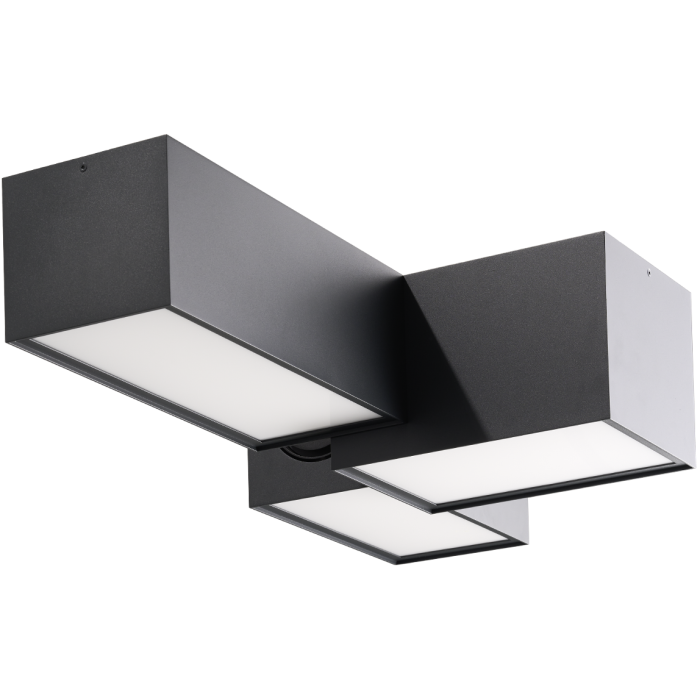
- Fits any room: From the compact wall unit for locker room and bus to the floor or ceiling lamp for office, box and lobby. The HAILEY floor lamp has won the Red Dot Design Award.
- Scalable for large rooms: For professional use, the devices can be upgraded to Pro performance.
Important
No air purifier makes a room virus-free. OZONOS helps reduce the risk of infection. It does not replace ventilation, handwashing and vaccinations – it complements them.

TÜV Certification
OZONOS® Air-Cleaner AC-I
TÜV-SÜD Certification:
OZONOS® Air-Cleaner AC-I

(By scanning the QR code, you will be directed to the TÜV SÜD certification database – Certificate Air Cleaner AC-I)
TÜV Certification
OZONOS® Air-Cleaner AC-II
TÜV-SÜD Certification:
OZONOS® Air-Cleaner AC-II

(By scanning the QR code, you will be directed to the TÜV SÜD certification database – Certificate Air Cleaner AC-II)

Where OZONOS is used at EC Red Bull Salzburg
At EC Red Bull Salzburg, the devices are placed exactly where the team spends most of its time: in the locker rooms, the weight room, the offices, the VIP area and the team bus.
The devices are used in coordination with the club’s medical department. In addition, the air quality in the facilities is measured regularly. This makes clean indoor air part of the health concept, alongside hygiene, nutrition and recovery.
In practice: Dr. Merwart
Clean air is also an issue in dentistry, because treatment produces spray mist. Dr. Merwart uses OZONOS in his dental practice:
“For us as staff, but of course also for our patients, it is especially important that not only the instruments are extremely clean, but the air as well.”
Dr. Michael Merwart, dentist in Salzburg
How clubs, studios and companies use OZONOS
| Room | Recommendation | Device |
|---|---|---|
| Locker room, changing room | mounted high on the wall, central in the room, running continuously during training times | AC II Smart with wall mount |
| Weight room, class studio | several devices for large areas, Pro performance | AC II Smart Pro |
| Team bus | compact device for mobile use | AC I Classic |
| Office, box, VIP area | discreetly integrated into the interior | HAILEY floor lamp, STELLA ceiling lamp |
| At home | in the living room or bedroom, especially when someone is ill | AC I or AC II |
Checklist: Well prepared for flu season
- Air out in short bursts instead of tilting windows: 5 to 10 minutes several times a day, wherever possible.
- Set up air purifiers in good time: before the flu wave, not once the first people are already sick.
- Position them correctly: mounted high and where most people spend their time.
- Keep them running: for consistent air quality during usage hours.
- Keep an eye on humidity: 40 to 60% is comfortable for the mucous membranes.
- Anyone who is sick stays at home: This protects the team more than any technology.
Frequently asked questions
Complete protection is not possible. An air purifier can reduce the number of airborne viruses and thus lower the risk of infection.
Filter devices trap particles in a filter that needs to be replaced regularly. OZONOS works without filters and reduces viruses directly in the room air.
Yes. The devices are designed for continuous operation, and the AC I and AC II are TÜV-certified.
Mounted high, for example on a wall mount, and centrally in the room.
That depends on the size of the room and how it is used. We are happy to advise you.
No. Ventilation remains important. OZONOS complements it, especially where ventilation is difficult.